
Sun-Safe with UV Protection: Skin Cancer Prevention Starts in Everyday Life
Proper sun protection is essential to prevent skin damage and reduce the risk of skin cancer. Learn which SPF levels are recommended and how to effectively protect your skin from UV radiation—both in everyday life and while on vacation.
When we think of sun protection, we instinctively reach for sunscreen. But comprehensive UV protection means much more.
UV Rays and Their Effects on the Skin
UV rays include UVA, UVB, and UVC rays. While UVC rays are mostly filtered out by the Earth's atmosphere, UVA and UVB rays reach our skin. UV rays penetrate deep into the skin and promote skin aging as well as the development of skin cancer. UVB rays are responsible for sunburn but also cause genetic damage to skin cells. [1,2,4,5]
Even low levels of UV exposure can increase the risk of long-term skin damage. Sunlight doesn’t just affect us at the beach or on vacation—it’s also present in everyday life: on the way to work, during outdoor exercise, or while sitting at a café.
Skin Cancer Prevention: Why UV Protection Is Essential
The incidence of skin cancer is continuously rising worldwide. Two main types are especially significant [3]:
- Basal cell carcinoma and squamous cell carcinoma (non-melanoma skin cancer), which often arise from chronic UV exposure
- Malignant melanoma (melanoma), which is more aggressive and frequently triggered by severe sunburns, especially during childhood and adolescence
The main risk factors for skin cancer include [1]:
- Fair skin types (Fitzpatrick types I and II), which burn more easily
- Intensive UV exposure during childhood
- Frequent sunburns (especially in childhood)
- Use of tanning beds
- Family history of skin cancer
- Certain pre-existing conditions or immune-suppressing therapies
Regular skin cancer screenings with dermatologists — especially for at-risk groups — are therefore essential. In Germany, statutory health insurance covers early skin cancer screenings every two years starting at age 35.
Everyday Tips for Better Sun Protection in Summer
Comprehensive protection from UV radiation involves multiple strategies. Sunscreen alone is not enough. Here are the most important tips for staying safe in the sun:
- Clothing as the First Line of Defense:
Wear lightweight, long-sleeved clothing and long pants made from tightly woven fabrics. Specialized UV-protective clothing offers additional protection, especially during outdoor activities. - Headwear and Sunglasses:
A wide-brimmed hat protects the face, ears, and neck. Sunglasses with UV-400 protection safeguard the sensitive retina from damage. - Seek Shade:
UV radiation is strongest between 11 a.m. and 4 p.m. Try to schedule activities for the early morning or late evening, or stay in the shade during peak hours. - Apply Sunscreen Correctly:
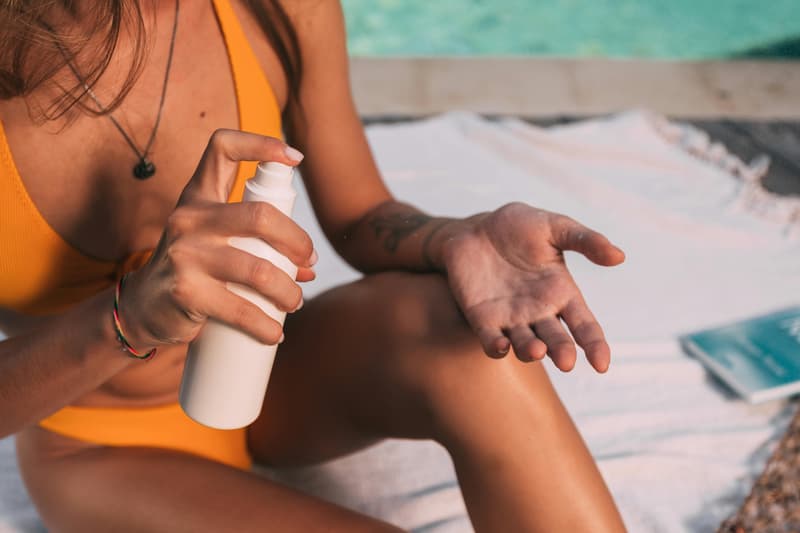
Choose a sunscreen with a high SPF (at least SPF 30, or SPF 50 for fair skin) and broad-spectrum UVA/UVB protection. Apply generously 20 minutes before sun exposure and reapply every two hours, and after swimming or sweating heavily. - Protect Even on Cloudy Days:
Up to 80% of UV rays penetrate light clouds. Therefore, consistent protection is necessary even on overcast days. - Don’t Forget Lips and Ears:
Use lip balms with UV protection and remember to apply sunscreen carefully to ears and neck—often overlooked but just as important.
UV protection isn’t a luxury, but a vital part of long-term skin health. As a doctor, I regularly see in practice how UV damage is underestimated—even though skin cancer could often be avoided with consistent protection. Sunscreen is only one element of a holistic protection strategy that includes clothing, behavior, and awareness. Those who care for their skin consciously don’t just prevent sunburn and premature aging, but actively invest in their health—and can enjoy the sun safely.
References
- Garbe, C., Forsea, A.-M., Amaral, T., Arenberger, P., Autier, P., Berwick, M., Boonen, B., Bylaite, M., del Marmol, V., Dreno, B., Fargnoli, M. C., Geller, A. C., Green, A. C., Greinert, R., Hauschild, A., Harwood, C. A., Hoorens, I., Kandolf, L., Kaufmann, R., Whiteman, D. C. (2024). Skin cancers are the most frequent cancers in fair-skinned populations, but we can prevent them. European Journal of Cancer, 204, 114074. https://doi.org/10.1016/j.ejca.2024.114074
- Micha, J. P., Bohart, R. D., & Goldstein, B. H. (2025). A review of sunscreen in the prevention of skin cancer. Journal of Oncology Pharmacy Practice. Advance online publication. https://doi.org/10.1177/10781552251327596
- ONKO Internetportal. (2020). Basalzellkarzinom: heller oder weißer Hautkrebs. https://www.krebsgesellschaft.de/onko-internetportal/basis-informationen-krebs/krebsarten/hautkrebs/basalzellkarzinom.html
- Portilho, L., Aiello, L. M., Vasques, L. I., Bagatin, E., & Leonardi, G. R. (2022). Effectiveness of sunscreens and factors influencing sun protection: A review. Brazilian Journal of Pharmaceutical Sciences, 58, e20693. https://doi.org/10.1590/s2175-97902022e20693
- WHO. (2022). Ultraviolet radiation. https://www.who.int/news-room/fact-sheets/detail/ultraviolet-radiation